Nouns
Names of people, places, things and ideas, and how they work in sentences.
Free grammar tools and lessons
Check, fix and learn English grammar in seconds. Use the grammar checker, word counter, plural maker and ten more tools, then learn the rules with short lessons and a daily quiz.
Find the verb
Tap the word in the sentence.
The children play in the garden.
Free grammar tools
No sign-up needed. Every tool runs in your browser, so your text stays private.
Paste your text to find common grammar, spelling and punctuation mistakes, then fix them one by one or all at once.
Free · No sign-up WCount words, characters, sentences and paragraphs, and see reading time, speaking time and your most used words.
Free · No sign-up PlType any noun to get its plural form and the spelling rule behind it, including irregular plurals.
Free · No sign-up VGet the base, past simple, past participle, -s and -ing forms of any English verb, regular or irregular.
Free · No sign-up AFind out whether to use a or an before any word, or fix every article in a whole text at once.
Free · No sign-up +Enter an adjective to get its comparative and superlative forms with the spelling rule.
Free · No sign-up SyCount syllables in any word, line or text with a word-by-word breakdown. Handy for poems and haiku.
Free · No sign-up RdSee how easy your writing is to read with Flesch, grade level and Gunning Fog scores, plus long-sentence alerts.
Free · No sign-up PvHighlight passive voice in your writing and see what share of your sentences use it.
Free · No sign-up AaChange text to UPPERCASE, lowercase, Sentence case, Title Case and more in one click.
Free · No sign-up CwSpot commonly confused words like their, there and they're, affect and effect or then and than, with a quick rule for each.
Free · No sign-up TePaste sentences and see which of the 12 English tenses each one uses, with the formula behind it.
Free · No sign-up CtExpand contractions for formal writing (don't to do not) or contract them for a friendly tone.
Free · No sign-upEnglish grammar topics
Pick a topic to read the rules with examples, or jump straight to a specific point such as the present perfect, comma rules or the passive voice.
Names of people, places, things and ideas, and how they work in sentences.
Replace nouns clearly and avoid repeating yourself.
Action verbs, helping verbs, irregular forms and modals.
Describe people, places and things with precise words.
Add detail about how, when, where and how often.
Talk about the past, present and future accurately.
Show time, place, direction and other relationships.
Join words, phrases and clauses smoothly.
Use a, an and the with confidence.
Build clear sentences with subjects, verbs and objects.
Make meaning clear with commas, apostrophes and more.
See how sentence focus changes between voices.
Grow your word bank with meanings, synonyms and word families.
Turn correct sentences into clear paragraphs and essays.
Grammar basics
Short, clear definitions to get you started. Open a topic above for full lessons and examples.
A noun is a word that names a person, place, thing or idea: teacher, London, book, happiness.
A verb shows an action (run, write) or a state (be, seem). Every complete sentence needs one.
An adjective describes a noun or pronoun: a tall tree, she is happy.
An adverb adds detail to a verb, adjective or another adverb, often telling how, when or where: she sings beautifully.
A tense is the verb form that shows time: I walk (present), I walked (past), I will walk (future).
Use a or an for one non-specific thing (a book, an apple) and the for something specific or already mentioned (the book on the table).
Daily grammar quiz
A new mix every day. Keep your streak going.
Loading today's quiz...
Fresh from the blog
New guides, explanations and practice ideas.
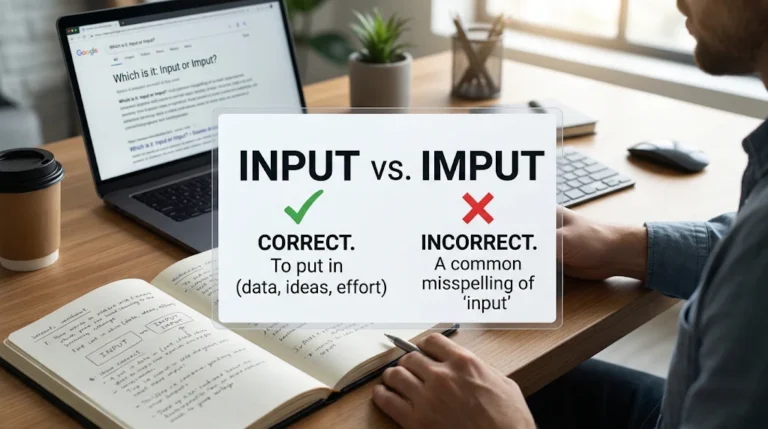
Have you ever wondered whether the correct spelling is input or imput? Many English learners make this mistake…
8 min read
Understanding the in-text reference meaning is important for students, teachers, researchers, and anyone who writes academic assignments. When…
8 min read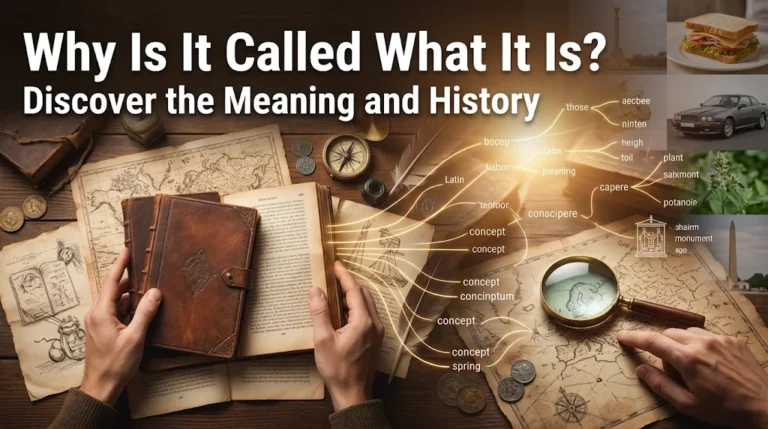
Have you ever wondered why things have particular names? For example, why do we call a phone a…
9 min read
Have you ever wondered whether to write who or whom in a sentence? You are not alone. Many…
8 min read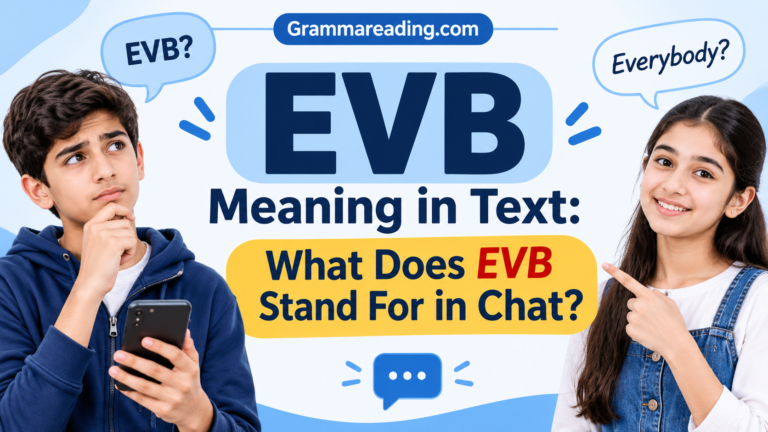
Have you ever received a message containing EVB and wondered what those three letters mean? You are not…
9 min read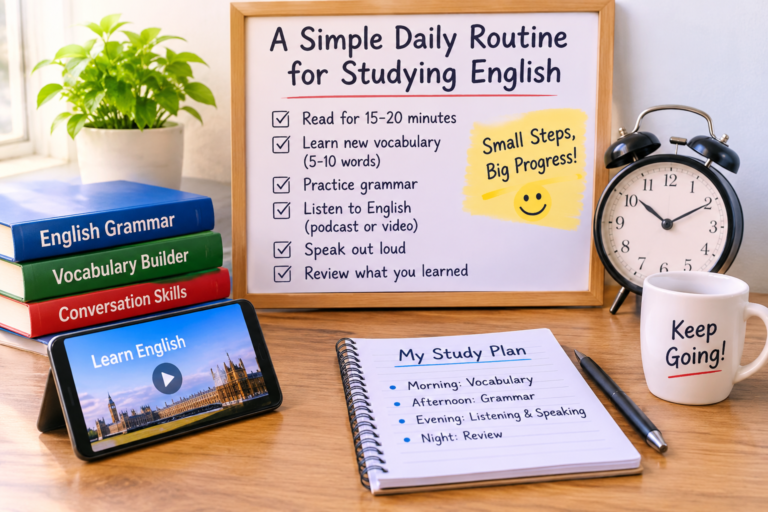
Thirty minutes a day is enough when you spend it wisely.
1 min readWhy Grammar Reading
Every lesson explains a single rule with plain examples, so you are never buried in jargon.
Paste your own writing into a tool and see exactly what to change and why.
Tools run on your device. Nothing you type is uploaded, stored or shared.
FAQ
Yes. Every tool on Grammar Reading is free, with no sign-up and no word limits.
No. The tools run in your browser, so your text never leaves your device.
English learners, students, teachers and anyone who writes at work. Lessons start simple and build up step by step.
Start with the parts of speech (nouns, verbs, adjectives), then tenses, then sentence structure. Practise each topic with the daily quiz.
Yes. The tools work on phones, tablets and classroom screens, and there is nothing to install.
Start with a tool, a lesson or today's quiz. It is all free.